
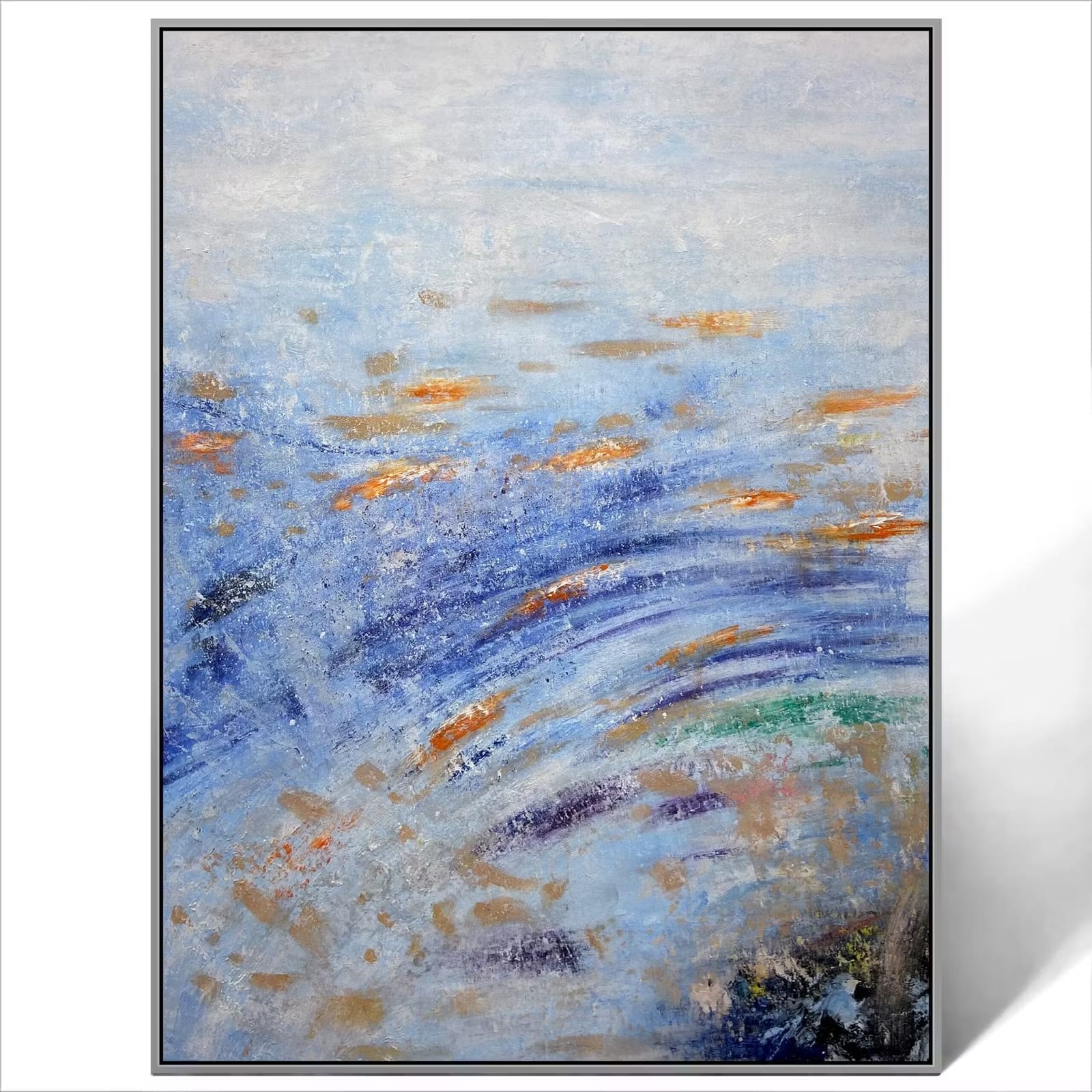
Choosing the right painting involves more than finding colours that match a room. Canvas size, wall space, furniture placement, framing, and lighting all affect how artwork looks once it is displayed. A painting that suits the wall proportions can make a room feel balanced, while an oversized or undersized piece may appear out of place. The canvas surface and frame also influence how the artwork fits into different interior styles. Understanding these details helps you select Acrylic Paintings that complement your space and remain in good condition over time.
How to Choose the Right Canvas Size
The dimensions of a painting should relate to the wall and the furniture around it. A large canvas can create a focal point in a spacious room, while a smaller piece may work better in a narrow hallway or beside a doorway. Before selecting artwork, measure the available wall area and consider how much space should remain around the edges. The painting should have enough room to stand out without making the wall feel crowded. Its dimensions should also suit the viewing distance and the purpose of the room.
For artwork displayed above a sofa, console table, or bed, the furniture width provides a useful starting point. A painting or group of paintings that spans roughly two-thirds to three-quarters of the furniture width often creates a balanced arrangement. This is a guideline rather than a strict rule, since ceiling height, furniture design, and surrounding decor can affect the result.
Consider these points when measuring your space:
- Small canvases: Suitable for narrow walls, compact rooms, shelves, and grouped arrangements.
- Medium canvases: Work well above smaller furniture pieces or on walls with limited space.
- Large canvases: Help establish a focal point above wider sofas, beds, and dining room furniture.
- Oversized canvases: Need sufficient wall clearance and an appropriate viewing distance.
- Multiple paintings: Require consistent spacing and an overall arrangement that fits the available wall width.
Always measure the full dimensions of the finished artwork, including its frame if one is planned. A canvas that fits the available area without a frame may need additional clearance after framing. Leave enough space around switches, door frames, wall lights, and other architectural features. These measurements reduce the risk of choosing a painting that looks cramped after installation.
Match Canvas Art to the Room
Different rooms have different visual requirements. Living rooms often accommodate larger statement pieces, while bedrooms may benefit from artwork with softer colours and less visual contrast. Dining rooms can support horizontal paintings that follow the shape of a table, whereas hallways often need narrower formats. Home offices may suit minimalist compositions that complement the furniture without distracting from the workspace. Consider the room’s existing colours, materials, natural light, and available wall space before deciding on a design.
The painting does not need to match every item in the room. Instead, look for one or two colours that connect the artwork with cushions, rugs, curtains, furniture, or decorative objects. Contrast can also work well when the painting has a clear relationship with the room’s overall style. Neutral interiors can accommodate colourful abstract art, while rooms with patterned furnishings may benefit from a simpler composition. The goal is to create visual balance rather than make every element identical.
When selecting paintings for different spaces, consider the following:
- Living rooms: Choose a canvas size that relates to the main seating area and creates a clear focal point.
- Bedrooms: Consider artwork that complements the bedding, headboard, and room’s colour palette.
- Dining areas: Look for horizontal compositions that relate to the table and surrounding furniture.
- Hallways: Use narrow canvases or carefully spaced smaller pieces to avoid obstructing the walkway.
- Home offices: Select artwork that suits the room’s function and does not overwhelm the desk area.
For rooms with contemporary furnishings, Large Abstract Wall Art can introduce movement, texture, and colour. The size and composition should still relate to the wall rather than relying on the artwork alone to define the room.
Select the Right Frame for Acrylic Paintings
Framing changes the appearance of a painting and affects how it relates to the surrounding decor. A simple frame can give the artwork a defined boundary, while a thicker frame may add visual weight. Some stretched canvases are designed to be displayed without a traditional frame, particularly when their edges are neatly finished. The best choice depends on the painting’s style, canvas depth, edge treatment, and the look you want to achieve. Check the product details before purchasing a frame to confirm that it suits the canvas dimensions.
Different frame styles create different effects:
- Gallery-style display: A stretched canvas with finished edges can be displayed without an additional frame.
- Floating frame: Leaves a small visible gap between the canvas and frame, creating a distinct outline.
- Slim wooden frame: Adds definition without drawing too much attention away from the painting.
- Dark frame: Can create contrast around artwork with lighter colours or a strong graphic composition.
- Light or natural wood frame: Works well with many neutral, Scandinavian, and relaxed interior styles.
Avoid selecting a frame based only on its colour. Its width and depth should also suit the canvas and the wall where it will hang. A heavy frame may overpower a delicate composition, while a very narrow frame may appear insignificant around an oversized painting. If you plan to change the room’s decor later, a restrained frame can offer more flexibility.
Style Minimalist and Circular Canvas Art
Minimalist artwork can work well in rooms where furniture, lighting, and architectural details already provide visual interest. These paintings often rely on restrained colour palettes, open space, and simple shapes. Their effect depends partly on the wall around them, so avoid placing too many decorative objects close to the canvas. A balanced arrangement gives the composition room to stand out without making the wall feel empty.
Explore Large Minimalist Wall Art for spaces that suit clean lines and understated compositions. Pay attention to the artwork’s dominant colours and the amount of open space in the design. A minimalist painting can complement a busy room, while a more detailed piece may add interest to a plain wall. The right size depends on the furniture, ceiling height, and overall visual balance.
Circular paintings offer a different way to introduce artwork into a room. Their curved outlines contrast with rectangular furniture, doors, windows, and shelving. Circle Canvas Art can work as a standalone feature or as part of a carefully planned gallery wall. Before hanging a circular canvas, measure its full diameter and check the clearance around it. Unlike a rectangular painting, its curved edges may create a different visual relationship with nearby objects.
Position Artwork at the Right Height
Hanging height affects how comfortably people can view a painting. Artwork placed too high can feel disconnected from the furniture beneath it, while a piece positioned too low may compete with a sofa, headboard, or console table. A common starting point is to place the centre of the artwork around 57 to 60 inches from the floor. This guideline may need adjustment for unusually high ceilings, low furniture, or rooms where people are usually seated.
When hanging a painting above furniture, leave a clear gap between the bottom edge and the furniture surface. A gap of around 6 to 10 inches often works above a sofa or console table, although the ideal distance depends on the proportions of both objects. Measure from the finished bottom edge of the frame, not from the hanging hardware. If the painting will be viewed mainly while seated, check the position from that angle as well.
For a gallery wall, arrange the paintings on the floor before drilling any holes. Use paper templates to test the spacing and overall shape against the wall. Keep the gaps consistent enough to make the group feel connected, but allow larger spaces where the compositions require more separation. Mark the hanging points only after checking the arrangement from different positions in the room.
Care for Hand-Stretched Acrylic Canvas
Proper care helps preserve the canvas, paint surface, and supporting frame. Acrylic paint is generally durable after it has dried, but the finished artwork can still be affected by moisture, dust, direct sunlight, and physical pressure. Canvas may also respond to changes in humidity and temperature. Avoid placing paintings close to leaking windows, damp walls, heating vents, or other sources of excessive moisture and heat. Follow any care instructions supplied with the artwork, particularly for textured or specially finished surfaces.
Use these basic care practices to maintain your painting:
- Dust gently: Use a clean, soft, dry brush or another method recommended by the artist.
- Avoid household cleaners: Do not apply glass cleaner, detergents, solvents, or other cleaning products to the painted surface.
- Limit direct sunlight: Strong sunlight can contribute to fading or deterioration over time.
- Control moisture: Keep the canvas away from damp areas and sudden environmental changes.
- Handle carefully: Hold the frame or stretcher edges rather than pressing your fingers against the painted surface.
- Inspect the hanging hardware: Check that the fittings remain secure and suitable for the artwork’s weight.
Never use water or a damp cloth to clean an acrylic painting unless the artist or conservator has confirmed that the method is suitable. Textured paint can collect dust in its raised areas, making aggressive cleaning particularly risky. If the surface becomes stained, sticky, cracked, or damaged, seek advice from a qualified art conservator instead of attempting a repair yourself.
Protect the Canvas During Storage and Moving
A hand-stretched canvas needs support during transport because pressure on its surface can damage the paint or distort the stretcher frame. Before moving the painting, check the corners, hanging hardware, and canvas tension. Wrap the artwork in suitable protective material that will not stick to or abrade the painted surface. Do not place heavy objects against it or stack other items on top of it.
Store paintings in a clean, dry location with stable environmental conditions. Keep the canvas upright when practical and support it securely so that it cannot fall or bend. Avoid storing artwork directly on a damp floor, against a hot radiator, or in an area with large temperature changes. If a painting is being shipped, use packaging that protects the corners and prevents movement inside the box. For valuable, fragile, or heavily textured pieces, professional packing may be the safer option.
Conclusion
The right canvas size, frame, and hanging position can help artwork feel naturally connected to a room. Measure the wall and furniture before ordering, check the dimensions of the finished piece, and choose a display style that suits both the painting and its surroundings. Regular care and sensible storage can also help preserve the canvas and painted surface. A little planning before installation makes it easier to enjoy original acrylic artwork for years.
Frequently Asked Questions
1. How do I choose the right size for acrylic paintings?
Measure the available wall space and the furniture below it. Artwork spanning roughly two-thirds to three-quarters of the furniture width is a useful starting point, but adjust for the room’s proportions and ceiling height.
2. Should acrylic paintings on canvas have a frame?
Not always. A stretched canvas with finished edges can be displayed without a traditional frame, while a floating or slim wooden frame can provide a more defined appearance. Choose a frame that fits the canvas depth and complements the artwork.
3. How high should I hang canvas wall paintings?
A common guideline is to place the centre of the artwork around 57 to 60 inches above the floor. Adjust the height according to furniture placement, ceiling height, and the main viewing position.
4. How should I clean a hand-stretched acrylic canvas?
Remove loose dust gently using a clean, soft, dry brush or a method recommended by the artist. Avoid household cleaners, solvents, and unapproved liquids, as they may damage the paint or surface finish.
5. Can I store acrylic paintings on canvas for long periods?
Yes, provided the storage area is clean, dry, and stable. Protect the painted surface from pressure, keep the canvas securely supported, and avoid damp conditions, direct sunlight, and sudden temperature changes.