
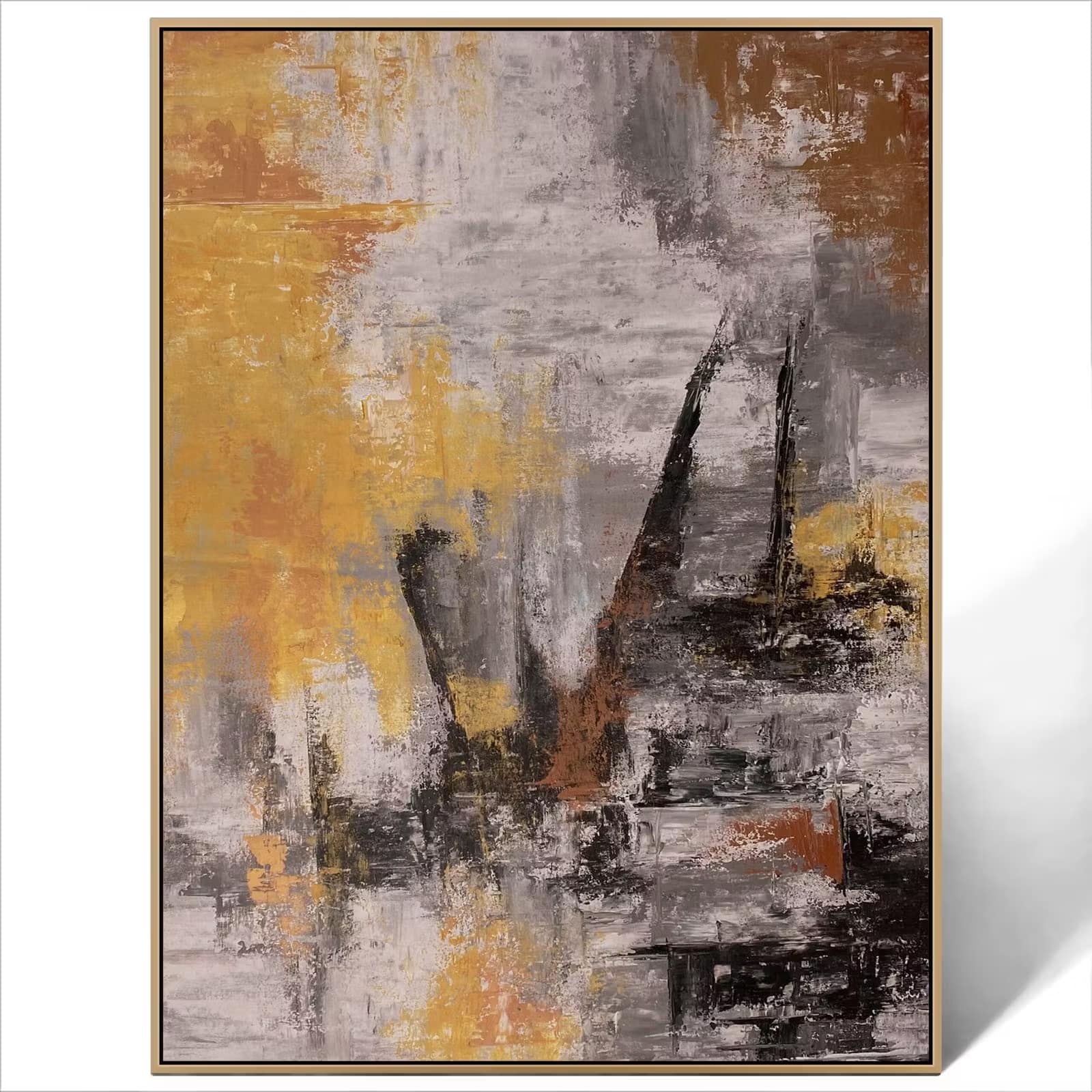
Large paintings can change the visual balance of a living room, especially when the wall above a sofa or main seating area feels empty. The right artwork brings colour, texture, and structure into the space without requiring major changes to the furniture or decor. Size matters because a painting that is too small may look disconnected from the room, while an oversized canvas can overwhelm nearby features. Placement, lighting, and the relationship between the artwork and surrounding furniture also affect the final result. Choosing Abstract Wall Art requires attention to these details so the painting feels like a natural part of the interior.
Choosing the Right Size for a Living Room Wall
Start by measuring the wall where you intend to hang the painting. Record the available width and height, then account for windows, doorways, wall lights, shelves, and other features that may restrict placement. The size of the furniture below the artwork is equally useful because the painting should relate to the sofa, console table, or fireplace rather than the wall alone. For artwork above a sofa, a width of around two-thirds to three-quarters of the sofa’s width is a practical starting point. Treat this as a guideline, since ceiling height, furniture design, and the composition of the painting can affect the ideal dimensions.
Large abstract paintings can work well on broad walls because they establish a clear focal point. However, the painting should leave enough open space around its edges to avoid a crowded appearance. A narrow wall may suit a vertical composition, while a wide wall often accommodates a horizontal canvas. Square paintings can provide a balanced option when the available space has similar width and height. Before ordering, check the complete dimensions of the artwork, including any frame or additional mounting requirements.
Use these measurements as a starting point when comparing sizes:
- Small spaces: Choose a canvas that leaves clear margins around the artwork and does not obstruct nearby doors or fixtures.
- Medium walls: Consider a painting that relates to the width of the furniture beneath it.
- Wide living room walls: Look at large horizontal canvases or a coordinated group of paintings.
- Tall walls: Consider vertical artwork or a composition with enough visual weight to suit the wall height.
- Open-plan rooms: Select a size that can be appreciated from the main seating area without dominating adjacent spaces.
The viewing distance also influences how large a painting appears. Detailed compositions may need a closer viewing position, while bold shapes and broad colour fields can remain visually clear from farther away. Measure the distance between the main seating area and the wall before choosing a canvas. This helps you judge whether the painting will be easy to appreciate from the places where people spend the most time. A large painting should fit the room’s proportions as well as the usual viewing position.
Match the Artwork to Your Furniture
Furniture provides a useful reference point when styling a large painting. The artwork should relate to the width, height, and visual weight of the furniture beneath it. A substantial sofa can support a larger canvas, while a slim console table may need a lighter composition or a narrower piece. The distance between the furniture and the painting also matters because too much space can make the two elements appear unrelated. A considered arrangement creates a visual connection between the artwork and the rest of the room.
Colour and shape can help connect the painting with the interior. Abstract compositions may contain several colours, but you do not need to match every shade with the furniture. Repeating one colour through cushions, rugs, curtains, or decorative accessories can make the arrangement feel coordinated. Alternatively, a painting with contrasting colours can provide a focal point in a room with neutral furnishings. The best choice depends on the existing palette and the amount of visual detail already present.
Consider these styling principles before selecting a painting:
- For neutral interiors: Use artwork with colour, texture, or strong shapes to introduce contrast.
- For colourful rooms: Choose a composition that relates to one or two existing shades.
- For minimalist furniture: Consider paintings with clear shapes and deliberate use of empty space.
- For heavily patterned interiors: A simpler abstract composition can prevent the wall from feeling too busy.
- For dark furniture: Consider how the artwork’s lighter areas will stand out against the surrounding finishes.
Large Minimalist Wall Art can suit interiors where clean lines and restrained colours define the decor. Minimalist paintings still need the right dimensions, particularly when displayed above a wide sofa or bed. Look at the amount of open space within the composition and how its shapes relate to the furniture. A restrained design can feel visually substantial when its scale is appropriate. Avoid choosing a small painting simply because its design is minimal.
Decide Between One Large Painting and a Set
A single large canvas creates one clear focal point, which can work well above a sofa or on a prominent living room wall. It also simplifies placement because there is only one frame or canvas to align. A multi-piece arrangement offers more flexibility when the wall is wide or the interior benefits from separate visual elements. However, the individual paintings must work together in size, colour, spacing, and composition. Consider the total width of the arrangement rather than measuring each piece in isolation.
wall art sets can provide a coordinated arrangement when two paintings share a related style or colour palette. Before hanging a set, decide how much space should remain between the pieces and measure the full width from the outer edge of one painting to the outer edge of the other. Consistent spacing helps the artwork read as one arrangement. The paintings do not need to be identical, but their visual weight should feel balanced. Check the layout on the floor or with paper templates before fixing the hanging hardware.
Circular paintings offer another option when a room contains many rectangular forms. Circle Canvas Art introduces curved edges that contrast with sofas, cabinets, windows, and shelving. A circular canvas can be displayed alone or included in a larger gallery wall. Its placement should still relate to the furniture and the available wall area. When combining circular and rectangular paintings, plan the overall arrangement carefully so that the shapes feel connected rather than randomly positioned.
Hang Abstract Paintings at a Comfortable Height
The height of a painting affects how easily people can view it. A common guideline is to place the centre of the artwork approximately 57 to 60 inches above the floor. This measurement is a starting point rather than a fixed requirement because ceiling height, furniture placement, and viewing habits differ between rooms. Artwork above a sofa is usually positioned in relation to the seating, so it may sit lower than a painting displayed on an empty wall. Check the arrangement from both standing and seated positions before making permanent holes.
Leave enough space between the bottom edge of the painting and the furniture below it. A gap of around 6 to 10 inches often works above a sofa or console table, but the ideal distance depends on the height of the furniture and the size of the canvas. A very large painting may need a slightly different arrangement to maintain visual balance. Measure from the finished edge of the frame or canvas, not from the hanging wire or bracket. If the artwork is heavy, use wall fixings suitable for its weight and the type of wall.
Before installation, follow these steps:
- Measure the wall and mark the intended outer edges of the painting.
- Use a paper template to test the dimensions and placement.
- Check the centre point and the gap between the artwork and furniture.
- Confirm that the painting does not interfere with switches, wall lights, or doors.
- Choose suitable fixings for the wall material and the artwork’s weight.
- Recheck the arrangement from the main seating area before drilling.
Plan Lighting Around Large Abstract Art
Lighting helps reveal the colours, texture, and details of a painting. Natural light can make artwork easier to appreciate during the day, but strong direct sunlight may contribute to fading over time. Observe how sunlight moves across the wall before deciding where to hang the canvas. Avoid placing valuable artwork where intense sunlight falls on it for long periods. If the room receives strong daylight, use suitable window coverings to reduce exposure.
Artificial lighting provides more control, especially in living rooms used during the evening. Picture lights, adjustable wall lights, and carefully positioned ceiling fixtures can illuminate artwork without creating distracting glare. Choose lighting that shows the painting’s colours accurately and spreads light evenly across the surface. Textured acrylic paintings may cast small shadows that change their appearance under directional lighting. Test the lighting from the main seating position and adjust the angle if bright reflections or dark patches appear.
Keep light fixtures far enough from the canvas to prevent excessive heat from reaching the artwork. Avoid installing hot lamps close to the painted surface, and follow the fixture manufacturer’s clearance recommendations. LED lighting is often a practical option because many LED fixtures produce less radiant heat than traditional incandescent lighting. However, brightness, distance, and exposure still matter. Balanced lighting should help the painting stand out without becoming the only noticeable feature in the room.
Keep the Wall Arrangement Visually Balanced
A large painting should work with the rest of the room rather than compete with every decorative object. If the artwork contains strong colours or dense patterns, leave some surrounding surfaces relatively simple. Smaller accessories can repeat a colour or shape from the painting without matching it exactly. Plants, lamps, cushions, and rugs can help connect the artwork with other parts of the interior. Keep enough open space around the canvas so its composition remains easy to see.
Pay attention to the relationship between the painting and nearby architectural features. A canvas positioned too close to a doorway or tall cabinet may feel squeezed into the available space. In an open-plan room, artwork can also help define the seating area without requiring a physical divider. Its size and position should relate to the furniture grouping rather than an arbitrary point on the wall. Review the complete arrangement from several angles before deciding that the placement is final.
Conclusion
Large abstract paintings need the right combination of scale, placement, lighting, and surrounding space to look balanced in a living room. Measure the wall and furniture first, then consider whether one canvas or a coordinated set suits the available area. Check hanging height and lighting before installation, and protect the artwork from direct sunlight and excessive heat. These simple decisions help the painting complement the room while keeping the display practical and comfortable.
Frequently Asked Questions
1. How large should abstract wall art be above a sofa?
A painting around two-thirds to three-quarters of the sofa’s width is a useful starting point. Adjust the size according to the wall dimensions, ceiling height, and visual weight of the artwork.
2. How high should I hang a large abstract painting?
The centre of the artwork is commonly positioned around 57 to 60 inches above the floor. Above furniture, adjust the height to maintain a comfortable gap and a clear relationship between the painting and the furniture.
3. Is one large canvas better than two smaller paintings?
One large canvas creates a single focal point, while two paintings can provide a wider arrangement with more flexibility. Choose based on the wall dimensions, composition, and how the artwork relates to the furniture.
4. What lighting works best for abstract canvas art?
Even lighting from suitable LED fixtures, picture lights, or adjustable spotlights can help reveal colour and texture. Avoid strong direct sunlight, excessive heat, and lighting angles that create distracting reflections.
5. How do I prevent large abstract paintings from overwhelming a room?
Choose a canvas that suits the wall and furniture proportions, leave enough open space around it, and coordinate a few colours with the existing decor. Avoid crowding the painting with too many nearby decorative objects.